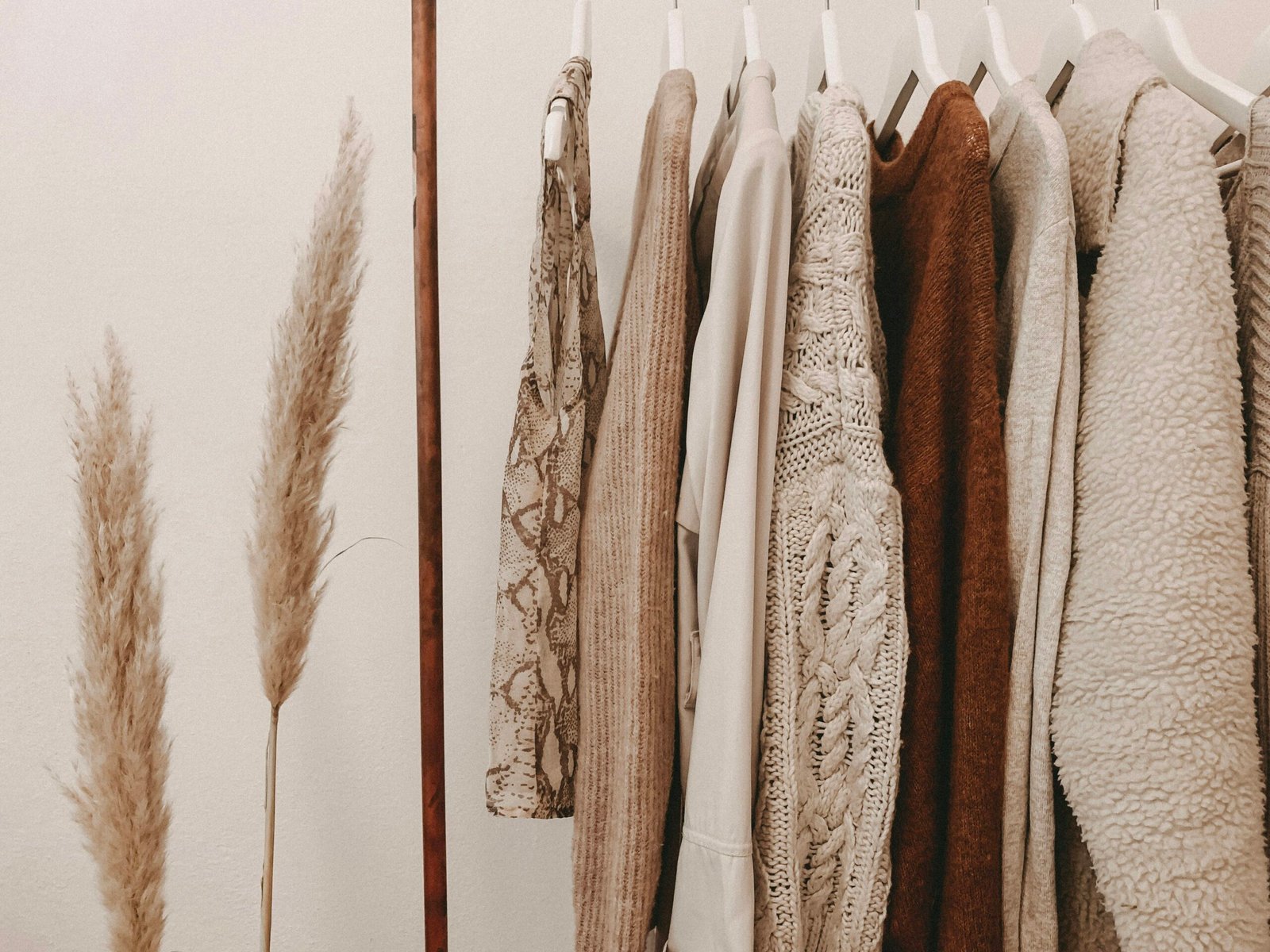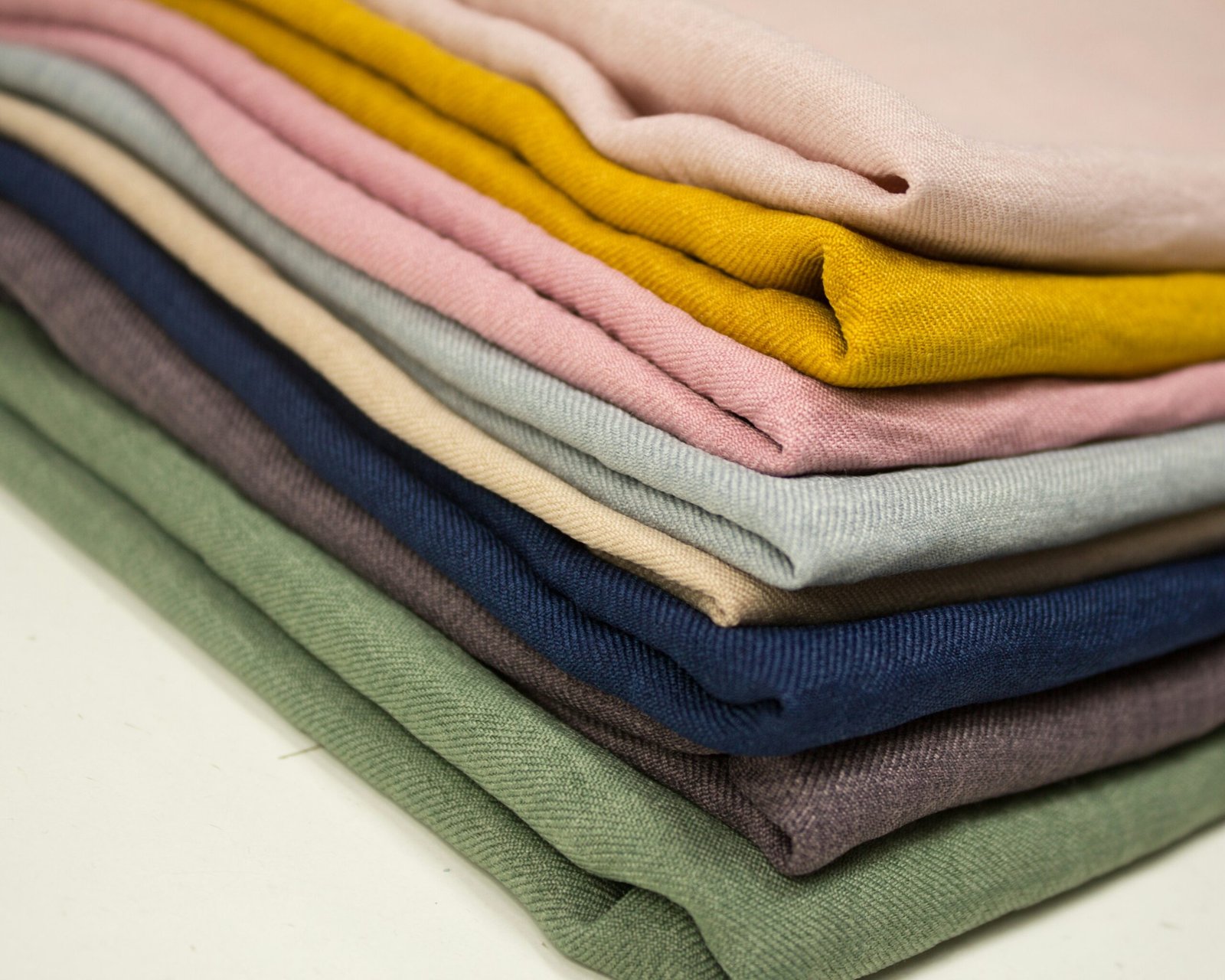
Saturated colour has a habit of deciding whether a garment stays in regular rotation or remains untouched on the hanger. Most people assume they cannot wear certain colours, when what they cannot wear is the wrong temperature of that colour.
Surface tone versus undertone
Your surface tone is what tans in the sun, pales during winter, or flushes in heat. It shifts constantly throughout the year. Your undertone does not. Undertone is the subtle cast beneath the surface—warm, cool, or neutral. When fabric echoes your undertone, your features appear clear, rested, and defined. When fabric conflicts with your undertone, shadows deepen around the jawline and the eyes appear tired.
The natural light check
Stand by an open window in indirect morning light. Hold a sheet of stark optic white paper beneath your chin, then a piece of warm cream or ivory cloth. If optic white brightens your features and cream looks dull, your undertone leans cool. If warm ivory softens your features and optic white makes your skin look sallow or grey, your undertone leans warm. If both look harmonious, you are likely neutral.
Colour is the difference between a garment that gets worn and one that stays on the hanger.
What to do with the answer
A cool palette thrives on sapphire, moonstone, crisp optic white, and jewel-toned greens. A warm palette comes alive in ruby, terracotta, sand, honey gold, and warm ivory. A neutral palette can wear both, finding its quietest strength in soft neutrals, taupe, and balanced earth tones.