Most overflowing wardrobes share a single paradox: plenty of clothes, but very little to wear. The problem is rarely a shortage of options. It is a shortage of cohesion.
The arithmetic of dressing
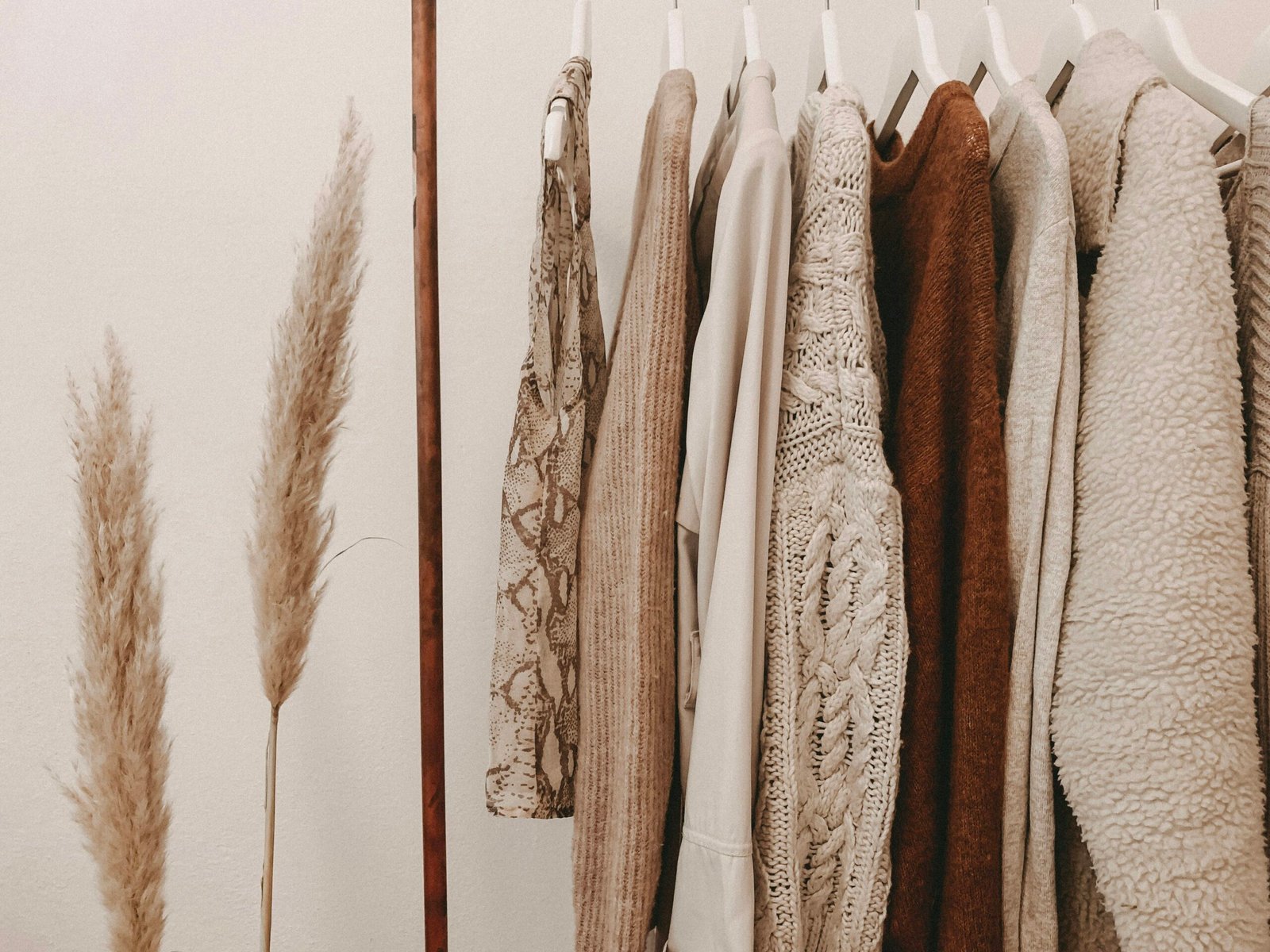
When every garment requires a dedicated companion piece to function, getting dressed becomes an exercise in puzzle-solving. When pieces share proportions, palettes, and finishes, the arithmetic changes completely. A single tailored linen vest can be worn closed as a top, unbuttoned as a light third layer over a silk tee, or paired with matching trousers for an unbroken line. Three tops, two bottoms, and one structured layer yield twelve distinct outfits.
Why fabric determines longevity
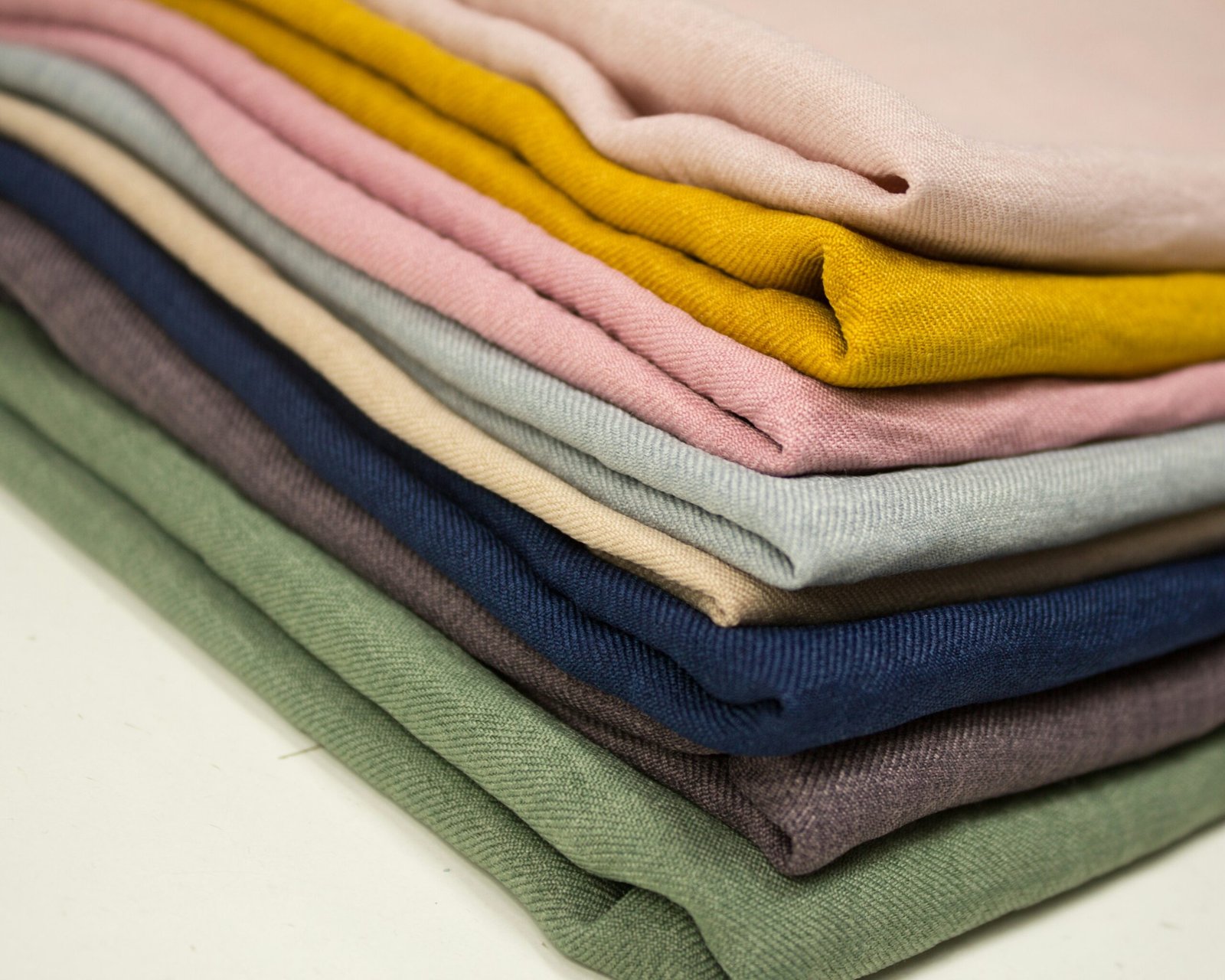
Fast production relies on loose weaves and synthetic blends that degrade after four washes. Seams twist, armholes stretch, and colour fades into a limp shadow of what was purchased. Premium linen and high-twist cotton poplin behave differently. They soften with every wash while retaining structural integrity. A well-constructed garment is not an indulgence; it is a refusal to buy the same item twice.
A small wardrobe only works when every piece respects the proportions of the others.
Editing ruthlessly
Take three garments you reached for every week this past month. Lay them flat. Note the waist placement, the neckline depth, and the weight of the cloth. That is your true uniform. Everything else in your wardrobe is simply noise competing for your attention.