Most online size guides ask you to measure your body, compare the numbers to a generic chart, and hope for the best. That is why so many parcels end up returned.
Body versus garment measurements
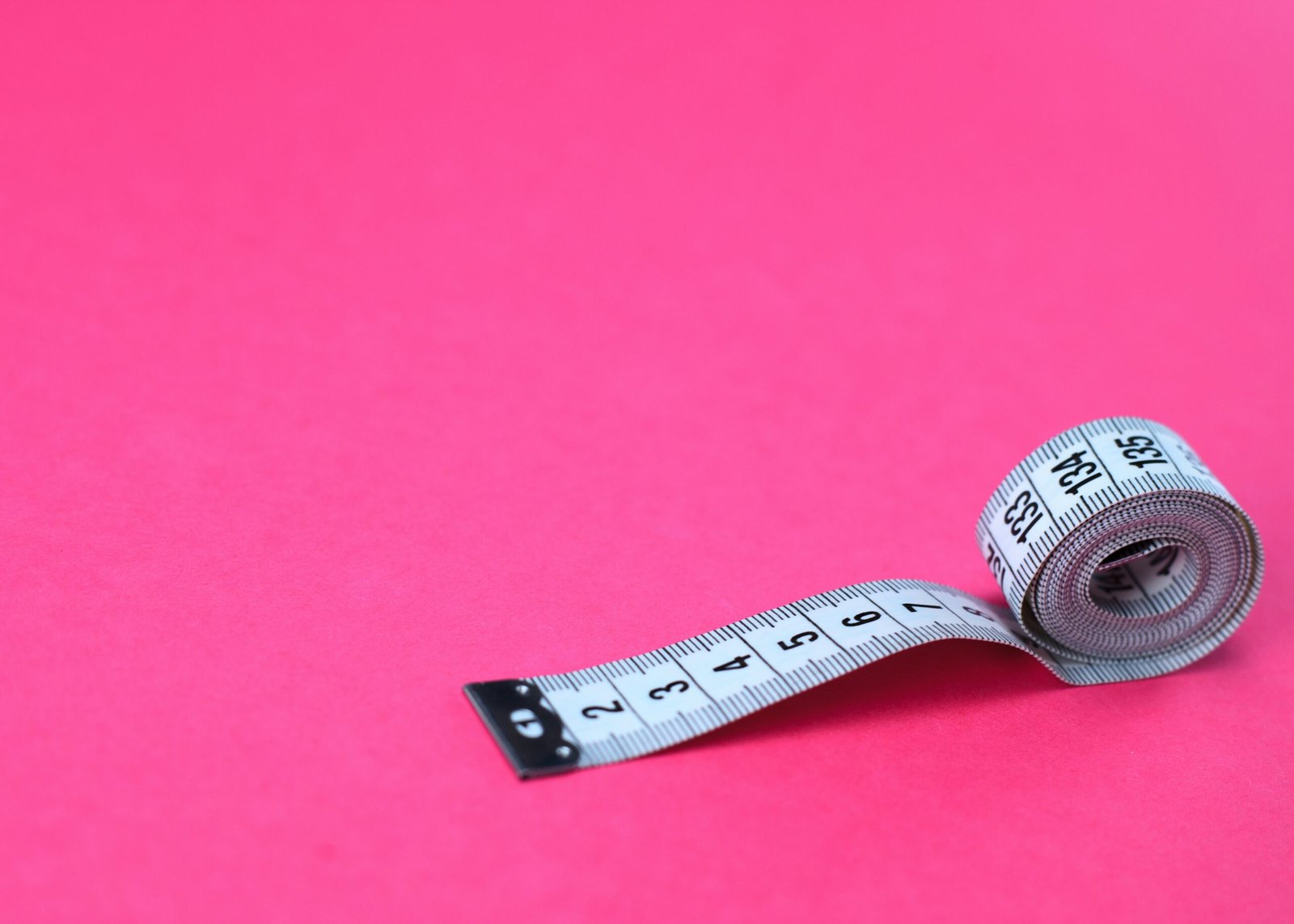
A tape measure pulled around your chest tells you how much space your body takes up. It tells you nothing about how much ease a garment requires to sit well, move comfortably, and drape without pulling. That is why our charts list finished garment dimensions in inches and centimetres. When you know the exact chest, waist, and length of the cloth, fit stops being guesswork.
The flat garment method
Take a garment you already own that fits exactly the way you like. Lay it completely flat on a table or bed, smoothing out any wrinkles. Measure the chest straight across from armpit to armpit and double that number. Measure the narrowest point of the waist and double it. Measure from the highest point of the shoulder down to the hem break. Compare those three numbers to our size chart.
Measure what already fits you, not yourself with a tape pulled tight.
Understanding ease
Structured woven pieces like linen and silk need between 1.5 and 2.5 inches of positive ease at the bust to allow natural movement. If your body measurement matches the garment measurement exactly, size up. If you prefer a closer, tailored line, select the size with minimal ease.